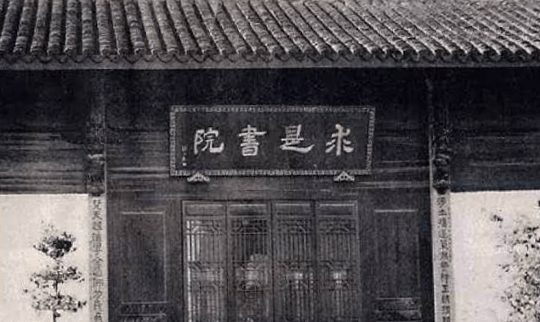
1897
Qiushi Academy, the forerunner of the modern-day Zhejiang University (ZJU), was founded to be a modern academy of higher education in China.
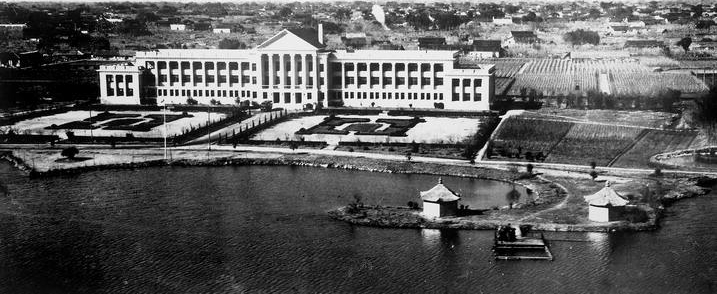
1928
The enlarged school was renamed National Chekiang University. During the war period (1937-1949), it was praised as one of the four most prominent universities in the Republic of China.

1936
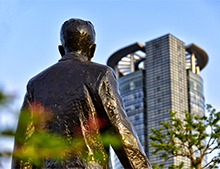
Professor Chu Kochen became the president of National Chekiang University and would leave a profound imprint. Addressing new students in 1936, he posed two questions: “First, why do you come here? Second, who do you want to become after graduation?”
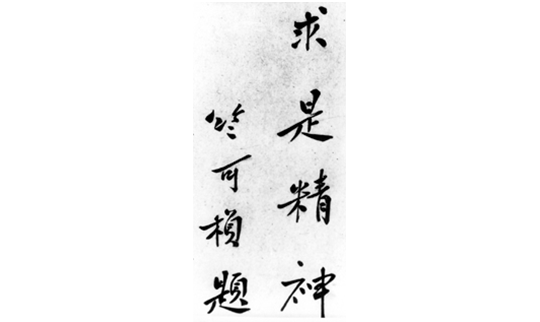
1938
“Seeking Truth” (求是) became the University’s motto, inspiring generations of students.

1944
British sinologist Dr. Joseph Needham, FRS, hailed the University as "Cambridge of the East". He was impressed by the faculty's dedication to research even during the tribulations of war.
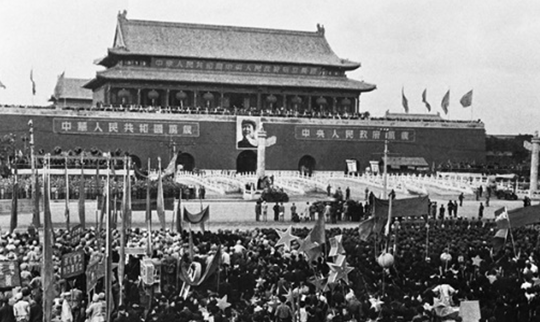
1952
After the founding of P. R. China in 1949, Chinese higher education experienced a dramatic restructuring following the Soviet model. ZJU was split into four independent universities.

1958
ZJU scientists designed China’s first dual inner water-cooled turbo-generator.
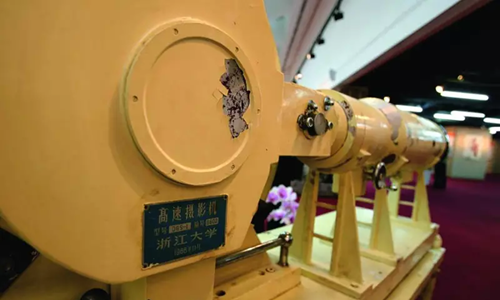
1964
ZJU scientists invented a new high-speed videography system. With 2.5 million frames per second, it successfully captured images of nuclear explosions.
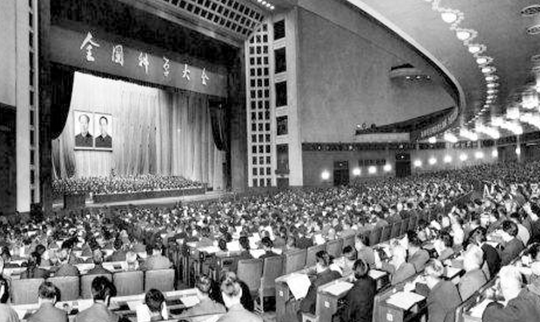
1978
Two years after the Cultural Revolution (1966-1976), ZJU took home more than 60 awards at the National Science Conference.
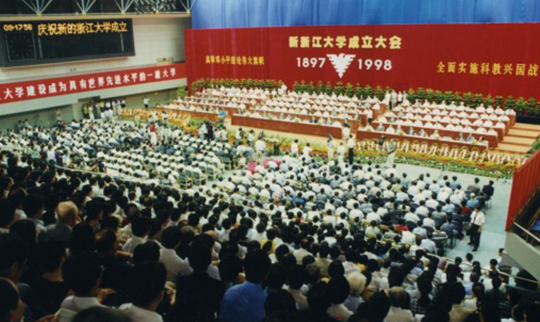
1998
The current ZJU was re-established through the merger with Hangzhou University, Zhejiang Agricultural University, and Zhejiang Medical University.
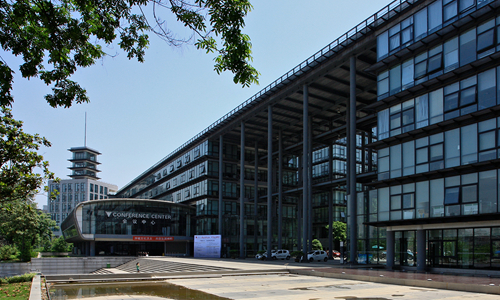
2001
Zhejiang University Science Park was founded – one of the earliest in China – and aims to incubate high-tech startups and facilitate technology transfer.
2008
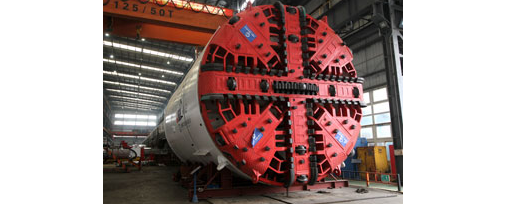
ZJU scientists developed and manufactured the first Polyshield Tunnel Boring Machine in China, which was used in the construction of Tianjin Metro.
2013
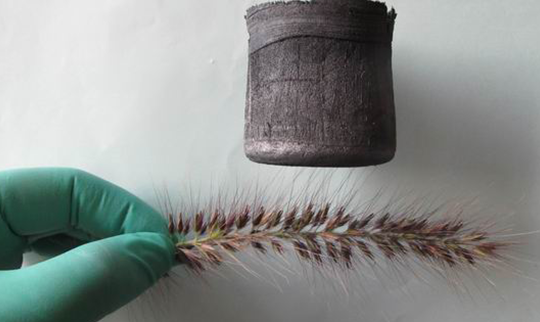
ZJU scientists successfully synthesized carbon aerogel, which holds the world record for the lightest solid material with a density of 0.16 mg/cm3.
2016
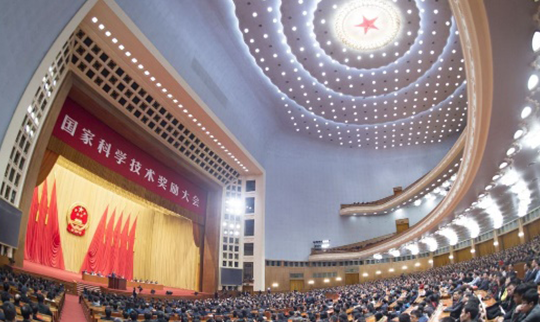
No.1 in China – ZJU had a total of nine projects winning national science and technology awards.
2017
In this memorable year, ZJU broke into world's top 100 universities for the first time (QS 2018) and was also selected for the national “Double First-class Initiative".

2018
ZJU launched Innovation 2030, a university-wide framework to catalyze greater collaboration among discipline clusters and find solutions for big questions of tomorrow.
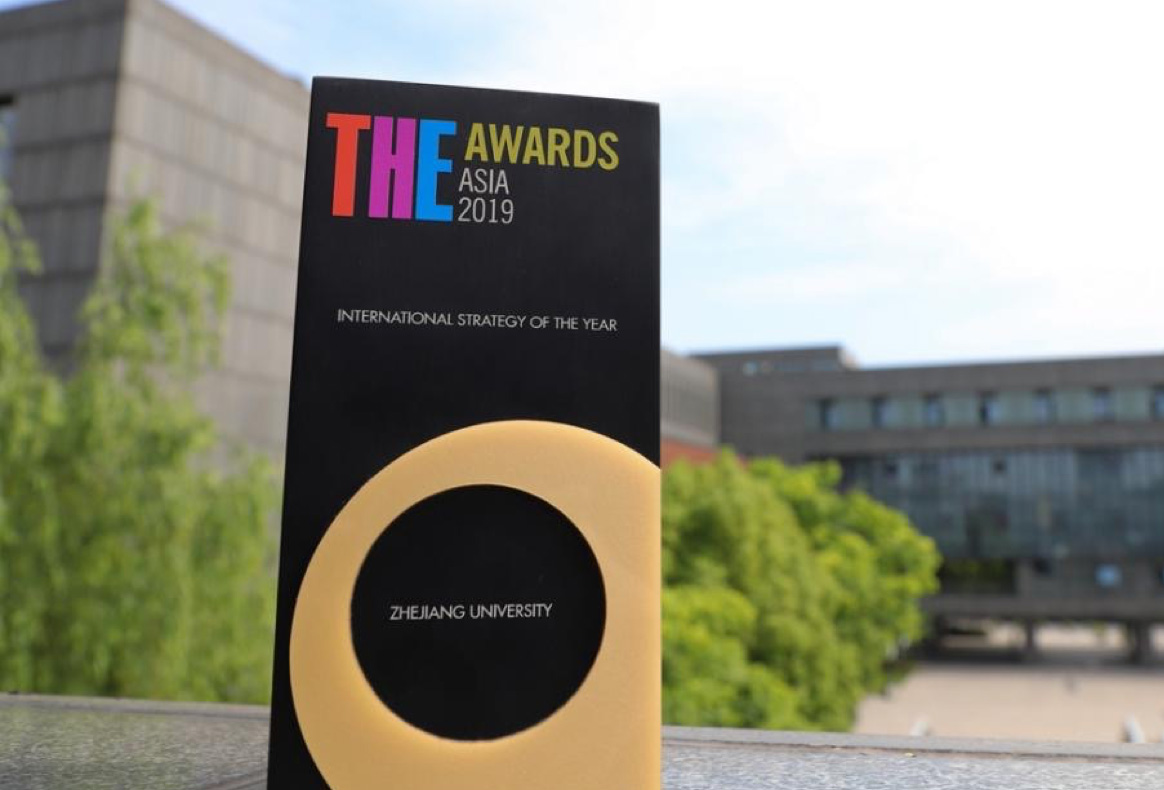
2019
The University was awarded “International Strategy of the Year” at the Times Higher Education Asia Universities Summit.
2021
ZJU released its Sustainability Action Plan: A Global ZJU for Social Good (Z4G) to improve our sustainability-related education, research and practices within the ZJU community and among other stakeholders in China and beyond.


