ZJU School of Pharmacy and Indonesia: a decade of partnership along the Belt and Road


For the past decade, under the framework of the Belt and Road Initiative (BRI), ZJU School of Pharmacy has been building bridges between China and Indonesia — through research collaborations, student exchanges, and health products that serve local communities, all rooted in a shared commitment to unlocking the value of traditional medicine.
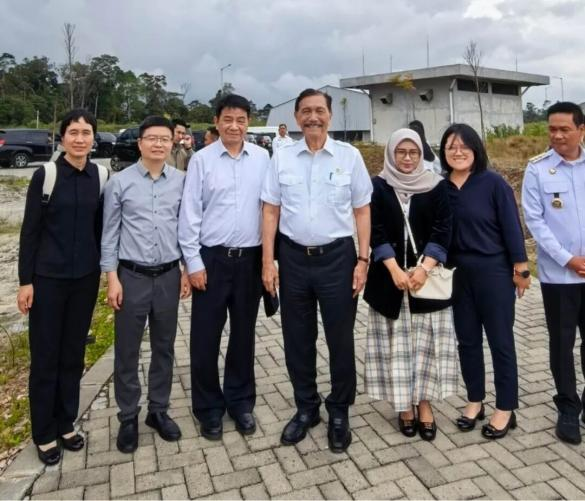
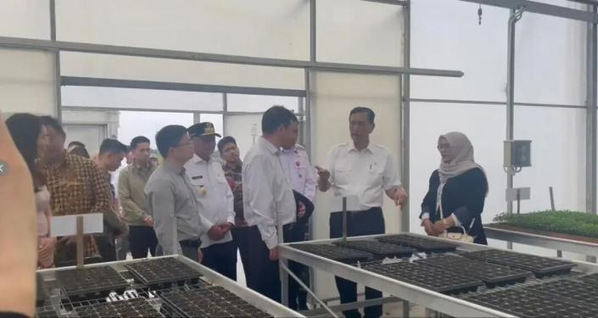
It began with a two-day journey. Professor YU Yongping and his team traveled from China to Jakarta, then overland to Sumatra — traversing dense rainforest and unpaved roads — to reach the Indonesian Science Techno Park for Herbal and Horticulture. There, abundant biological resources awaited development, and the local demand for biomedical advancement was strong. That journey, undertaken in the spirit of the BRI's call for deeper connectivity and shared development, launched a decade of sustained cooperation.
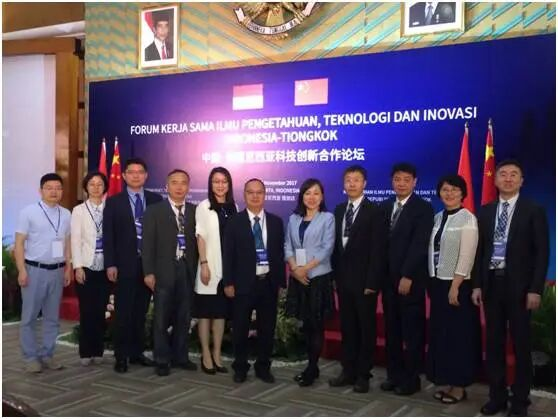
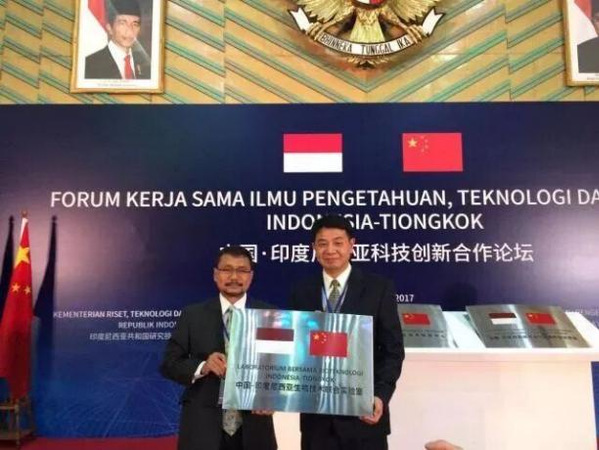
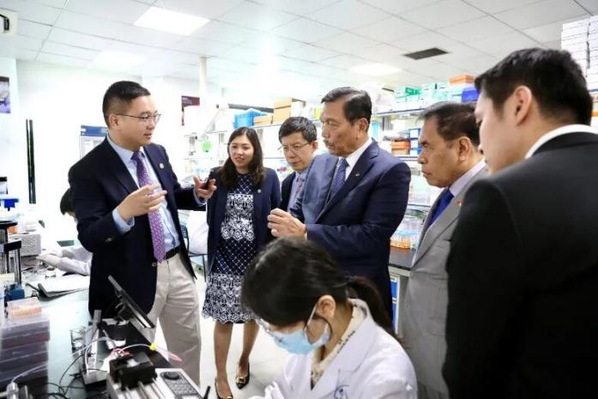
In 2017, the China-Indonesia Joint Laboratory on Biotechnology was officially inaugurated as a flagship outcome of China's National Key R&D Program for intergovernmental science and technology cooperation. Led by ZJU School of Pharmacy under the program, the laboratory became a Belt and Road hub connecting researchers across both countries.
Indonesia's rainforests harbor centuries-old medicinal plants, among them Dragon Blood (Daemonorops spp.), a traditional remedy long used by local communities but never modernized. YU's team worked alongside local farmers to identify and collect specimens deep in the forest. The rainforest is a gift to humanity, holding the codes to life and health, YU said. We must harness these traditional herbs and bring them out of the mountains to serve the people.
The joint laboratory has since trained multiple Indonesian doctoral students and exchange scholars, cultivating a local talent pipeline in pharmaceutical research. The team systematically profiled Indonesia's medicinal plants and developed new extraction and formulation techniques, establishing quality standards for Dragon Blood and turning the raw herb into practical health products — including skin-repair hydrogel and liquid antibacterial wound dressings — now reaching local communities. These advances embody the BRI vision of translating scientific collaboration into tangible benefits.
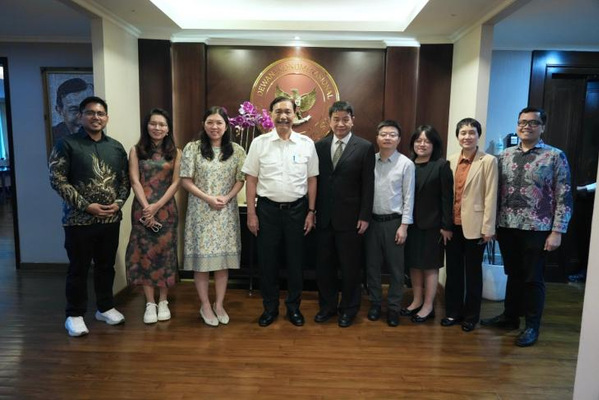
Beyond the lab, the team engaged Indonesia's health and agriculture agencies as well as biomedical enterprises, building an end-to-end chain spanning resource exploration, technology development, product translation, and industrial application — converting natural resource advantages into economic and health gains for local populations.
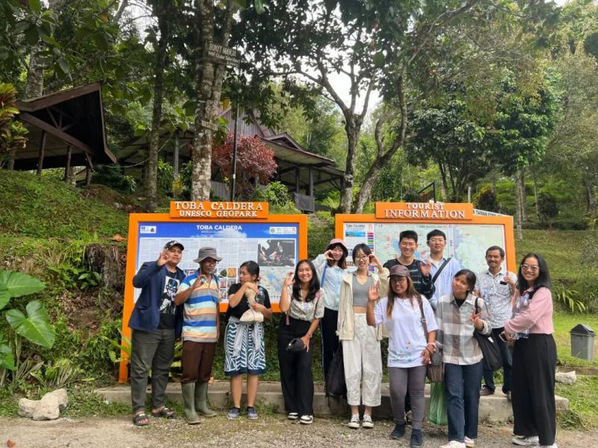
The partnership extends beyond research. ZJU faculty have delivered science lectures at Indonesian schools. Under the university's Zhiyuan Program, student delegations conducted field research in rainforests and learned from local farmers. ZHU Qi, a 2022 master's student, reflected, The university brought our classroom to the rainforest. We discovered new value in traditional plants and experienced firsthand the opportunities the Belt and Road Initiative creates for young people from both countries.
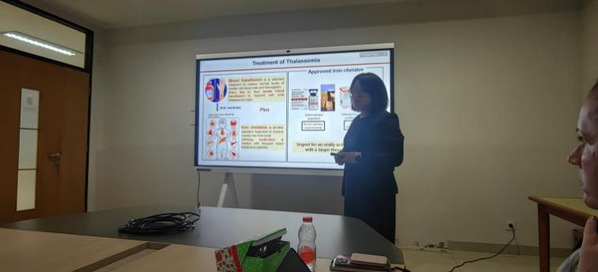
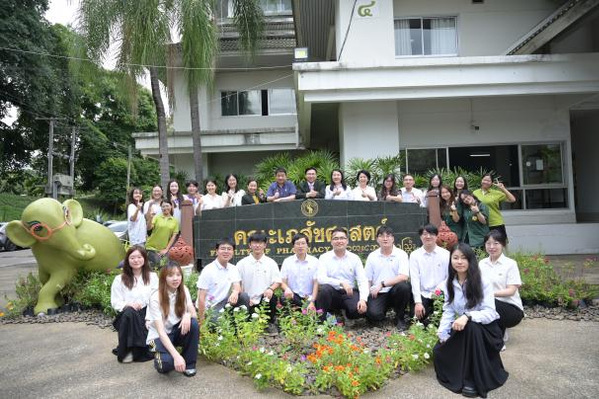
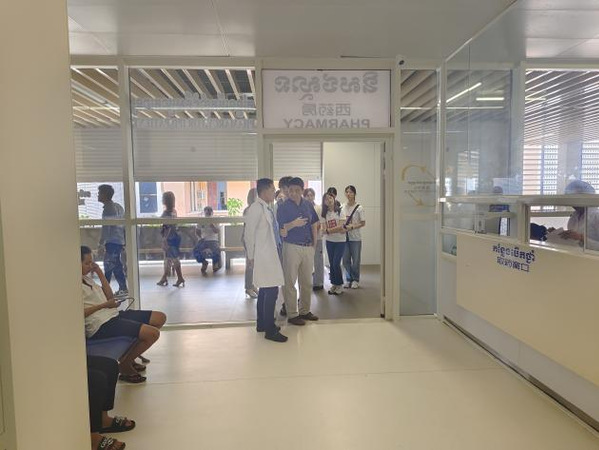
The School has also extended its Belt and Road outreach to Cambodia and Thailand. In Cambodia, faculty and students visited the China-Cambodia Friendship Hospital to study drug regulation and traditional Chinese medicine applications. In Thailand, a cooperation framework was signed with Chiang Mai University's Faculty of Pharmacy, covering academic exchanges and reciprocal visits.
From rainforest expeditions to laboratory breakthroughs, from traditional herbs turned into accessible remedies to a new generation of cross-cultural researchers, the collaboration has brought the BRI's promise of shared progress into visible, tangible outcomes. As the partnership enters its second decade, the School remains committed to deepening pharmaceutical innovation between China and Belt and Road partner countries — advancing both science and friendship.
Adapted and translated from the article written by ZJU School of Pharmacy
Translator: DING Chenwei
Photo: ZJU School of Pharmacy
Editor: DING Chenwei