ZJU students cherish a time-honored tradition of “catching insects”


In the past summer vacation, 42 sophomores majoring in plant protection at Zhejiang University did their field practice on Hainan Island, where they caught over 5,000 insects and turned them into specimens.
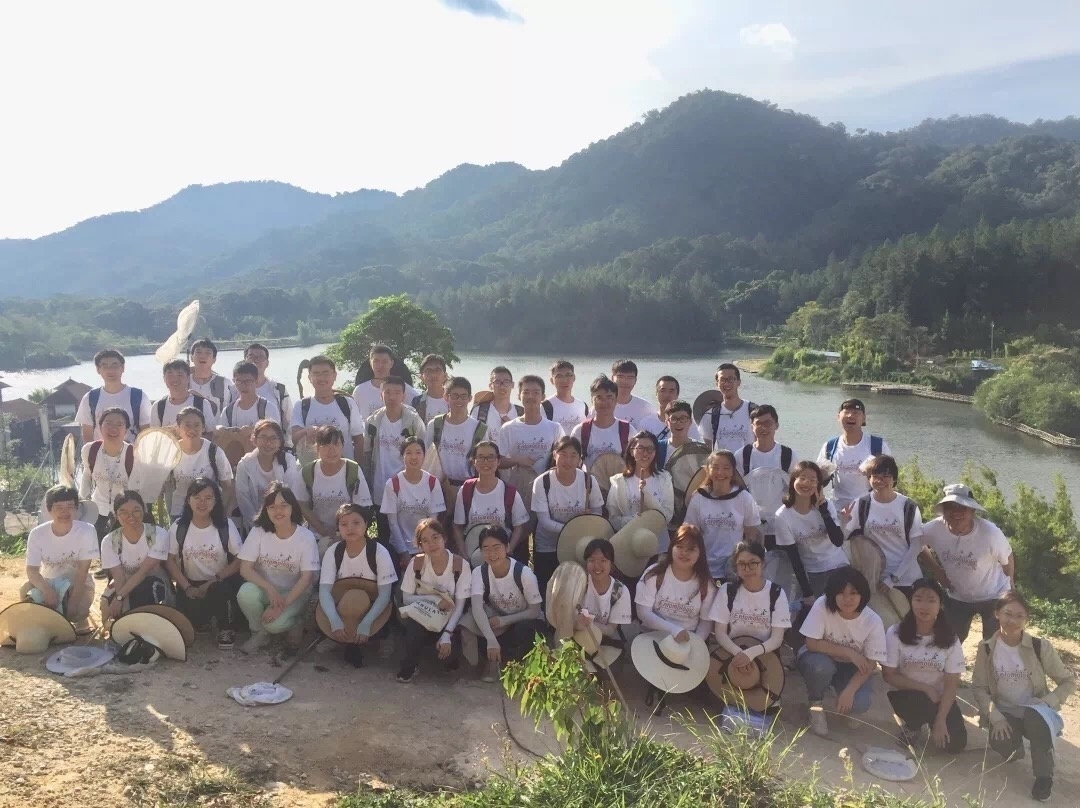
Some rare and eccentric insects were in the bag for students: a web-spinner that can make silk-lined tunnels and webs, a leaf-like phasmid and an Atlas moth larger than a human face……
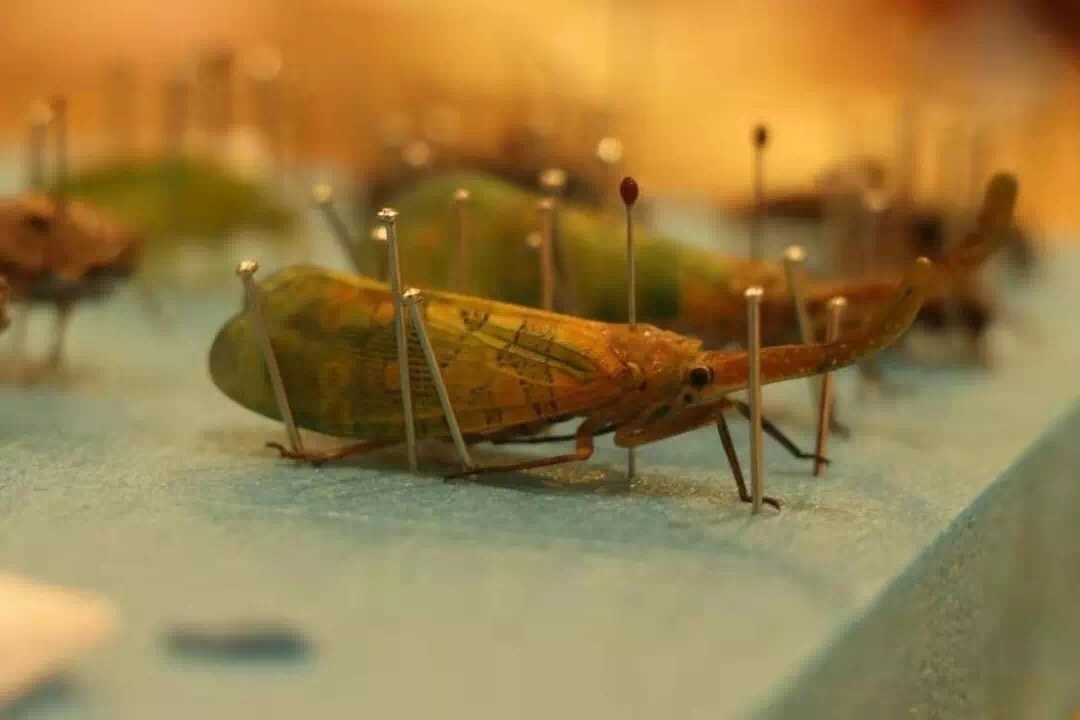
These insects were meticulously fashioned into specimens, providing essential support for teaching and research.
“During this field trip, we collected very rare species such as the aesthetically appealing phasmid and the bizarre web-spinner,” said supervisor ZHANG Chuanxi, a plant protection professor at the College of Agriculture and Biotechnology.
Phasmids are stunningly rare in China and the Phasmid specimen is the most precious in the ZJU specimen bank. “As a typical insect mimic, the Phasmid insect looks ravishingly beautiful. It is thus of immense value in exhibitions and education,” said ZHANG Chuanxi.
Since the 1920s, virtually every student majoring in plant protection at ZJU has been engaging in the century-long field practice of catching insects. In recent years, students have expanded their collecting territory to mountains outside Zhejiang Province, such as Ta-pieh Mountains in Anhui Province, Qinling Mountains in Shaanxi Province, and Hainan Island.“Ecological conditions are diverse in different geographic environments. Hence, there are various kinds of insects.” Hainan is a tropical island in China with a plethora of insects, many of which are alien to Zhejiang Province. Every single insect is a chronicle of time and geological information and many of them are unique and valuable.
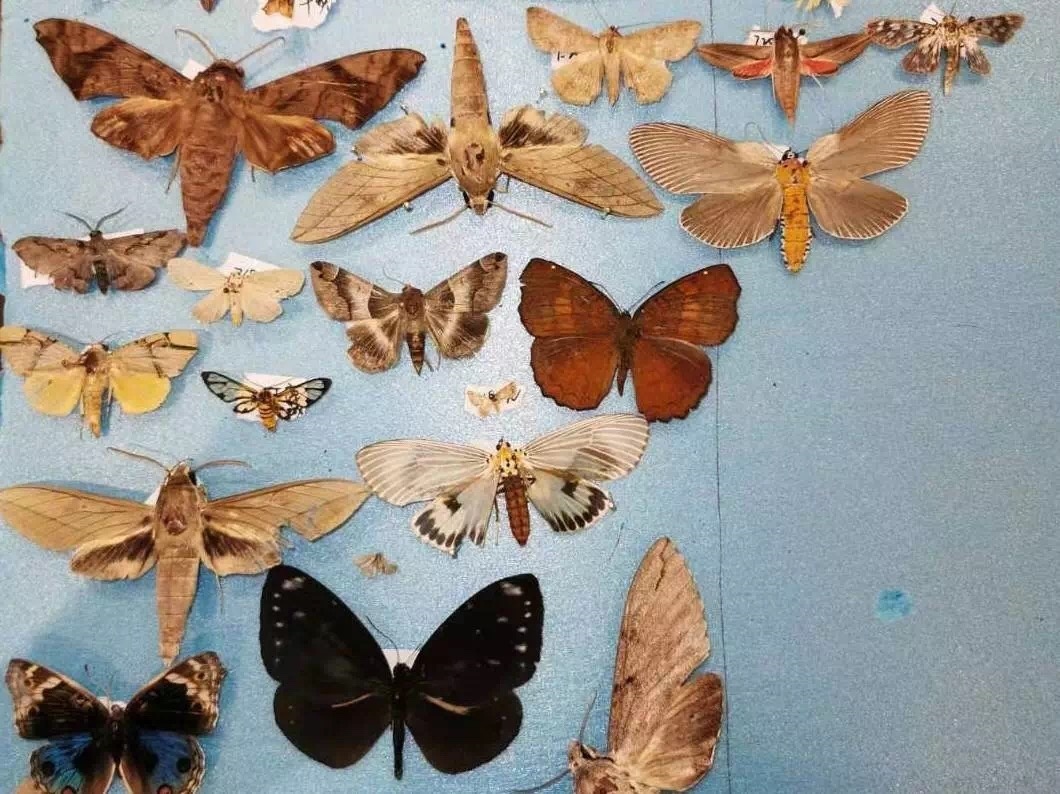
At present, there are approximately 500,000 insect specimens in the ZJU specimen bank, 80% of which are collected by students. Not only have students honed their abilities in field practices, but they also have contributed a lot to the ZJU specimen bank.
“These specimens will play a vital role in teaching and research. In theoretical lessons, students usually gain their understanding of insects by means of images and words, but with specimens, they are able to acquire a more holistic picture in a tangible way,” said ZHANG Chuanxi.
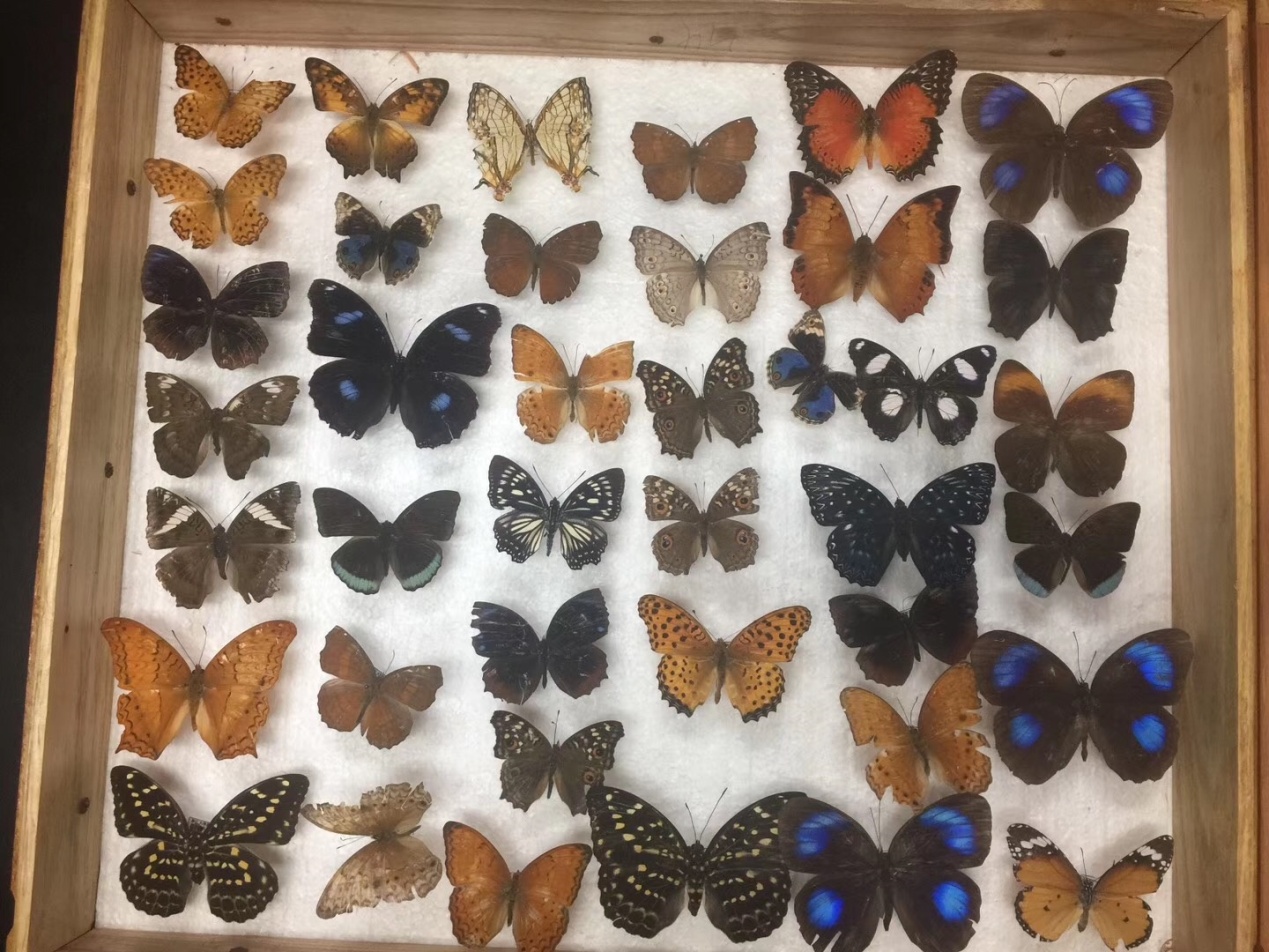
Furthermore, researches into insects call for a massive body of insect specimens. “Insects can reflect the indigenous ecological environment in a comprehensive and effective manner. Pest specimens are of appreciable value in plant protection, pest control and resource utilization,” said ZHANG Chuanxi.