Zhejiang University to launch three new future-oriented undergraduate programs in 2026


Recently, China’s Ministry of Education released the Undergraduate Program Catalog for Institutions of Higher Education (2026), aimed at strengthening higher education’s contribution to high-quality development in line with the demands of technological innovation, industrial development, and national strategic priorities.
To better keep pace with the development of emerging interdisciplinary fields and the growing demand for versatile talent, the 2026 catalog has, for the first time, included an “Interdisciplinary Studies” category. This category features 11 existing interdisciplinary majors, such as Future Robotics and Interdisciplinary Engineering, as well as 4 newly added majors, including Embodied Intelligence and Brain–Computer Science and Technology.
Zhejiang University will launch three new undergraduate majors in 2026: Embodied Intelligence, Energy Storage Science and Engineering, and Intelligent Engineering and Creative Design.
Embodied Intelligence
The undergraduate program in Embodied Intelligence draws on multidisciplinary strengths in control science, artificial intelligence, computer science, aerospace engineering, and other related fields. It is designed to cultivate future scientists and industry leaders in embodied intelligence with a strong sense of mission and a global perspective.
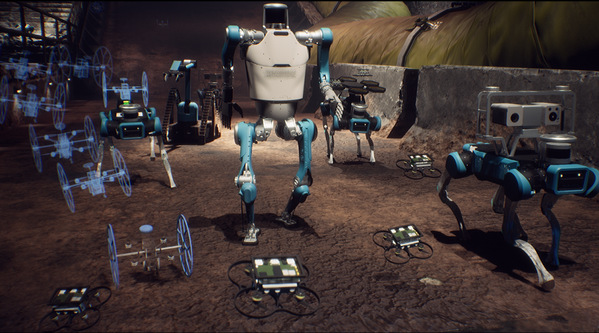
The curriculum covers cutting-edge interdisciplinary areas such as large models and intelligent agents, embodied navigation and control, and multimodal perception and integration. It offers a comprehensive training system that spans perception, cognition, control, and decision-making. Students will also gain hands-on experience in emerging and future industry settings, including intelligent manufacturing, robot operation and maintenance, smart logistics, and intelligent retail.
The program is designed to serve the growing needs of intelligent manufacturing and industrial upgrading. It is well-suited for those who are passionate about advanced technologies such as embodied intelligence, robotics, large models, and physical AI interaction, and who have both engineering potential and an innovative mindset. Graduates may pursue careers in intelligent robotics, autonomous driving, smart logistics, advanced manufacturing, and related fields, where they can contribute to technological innovation and R&D at leading technology companies and research institutes.
Energy Storage Science and Engineering
The undergraduate program in Energy Storage Science and Engineering is built upon the nationally recognized “Double First-Class” discipline in Power Engineering and Engineering Thermophysics. It also draws on academic strengths in electrical engineering, chemical engineering and technology, materials science and engineering, mechanical engineering, and control science and engineering. It is designed to cultivate top innovative talents and future leaders in the energy storage sector.
The curriculum covers a full spectrum of energy storage technologies, including physical, chemical hydrogen storage, and thermal energy storage, as well as energy storage system integration. It also incorporates emerging technologies such as AI and big data. Students may sign up for interdisciplinary electives in energy, electrical engineering, chemical engineering, and materials science based on their interests and career goals. They also have opportunities for internships and hands-on training through partnerships with major state-owned energy groups and leading companies in the energy storage sector.
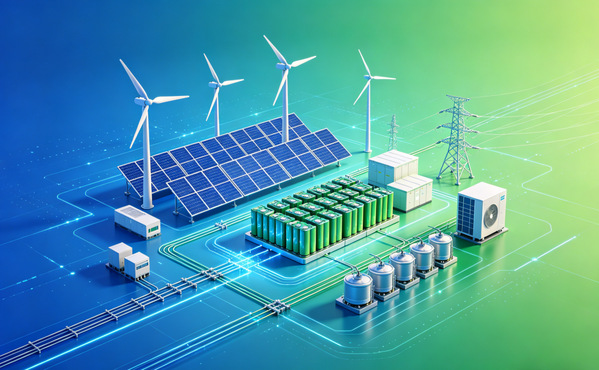
This program is designed to meet urgent national strategic needs and support the development of the energy sector. It is well-suited for students who are enthusiastic about energy technology and frontier innovation, and who are eager to contribute to national energy security and China’s “dual carbon” goals. Graduates may pursue further study at top universities worldwide or pursue careers in major energy enterprises, universities, and research institutes, engaging in innovation related to energy storage systems, battery R&D, and smart energy technologies.
Intelligent Engineering and Creative Design
The undergraduate program in Intelligent Engineering and Creative Design draws on interdisciplinary strengths in AI, design, and related fields. It is designed to cultivate interdisciplinary and innovative talent capable of transforming frontier technologies into real-world products, experiences, and future lifestyles.
Through systematic training in intelligent technologies, interaction design, and interdisciplinary coursework, students will build a solid engineering foundation while developing strong creative design skills. With a focus on real-world challenges, the program helps students turn creative ideas into functional and experiential intelligent systems or digital content, preparing them to address complex problems in areas such as smart mobility, intelligent education, and medical rehabilitation.
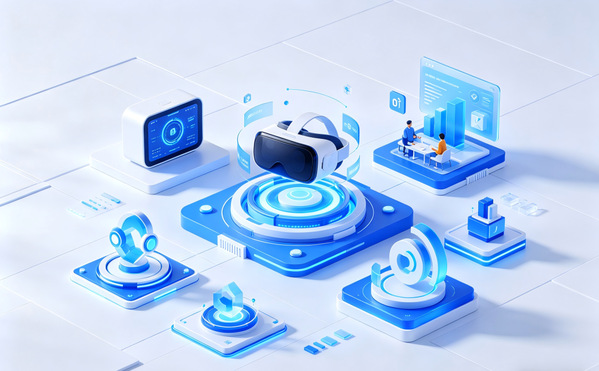
This major is oriented toward the development of intelligent technologies and the transformation of future industries. It is ideal for students who are interested in emerging technologies such as AI and virtual reality, and who combine creativity with analytical thinking. Students are encouraged to pursue further study at leading universities in China and abroad. Graduates may apply for master’s and doctoral programs in areas such as AI and design, or pursue careers in creative design and technological R&D in industries including intelligent products and internet technologies, smart hardware and future mobility, film and digital entertainment, and cultural technology.
Translator: FANG Fumin
Editor: HAN Xiao