University Presidents Summit Hosted at Zhejiang University


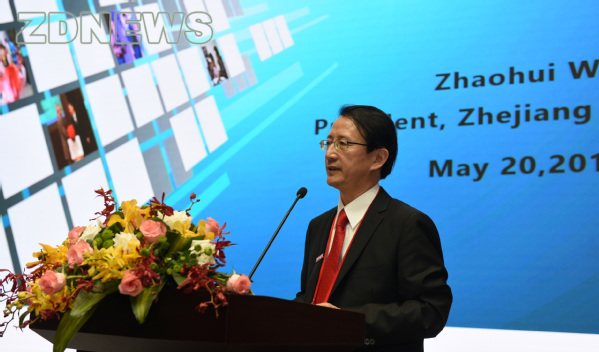
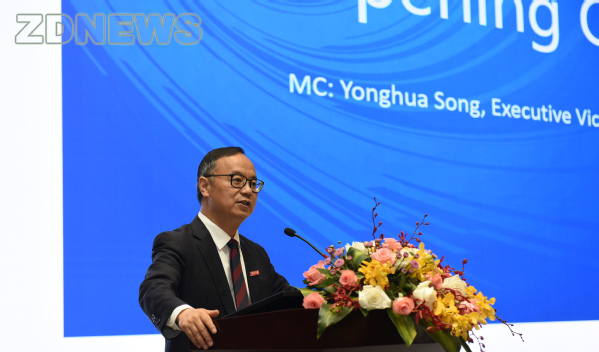
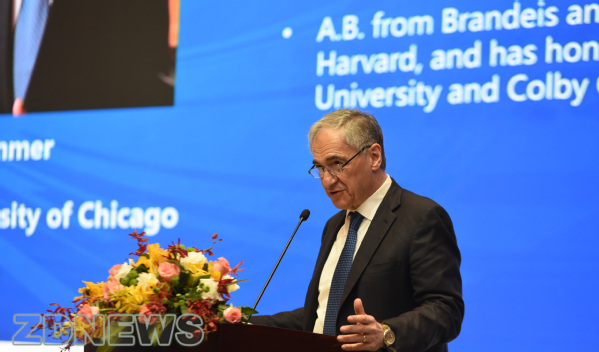
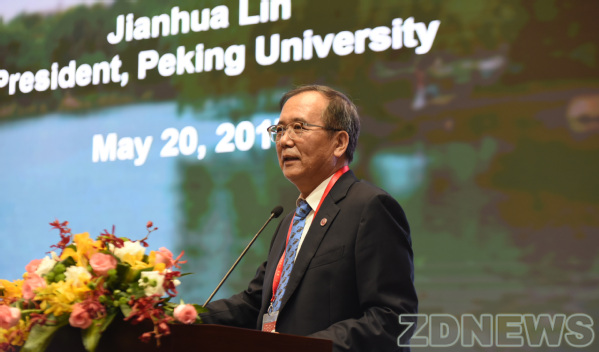
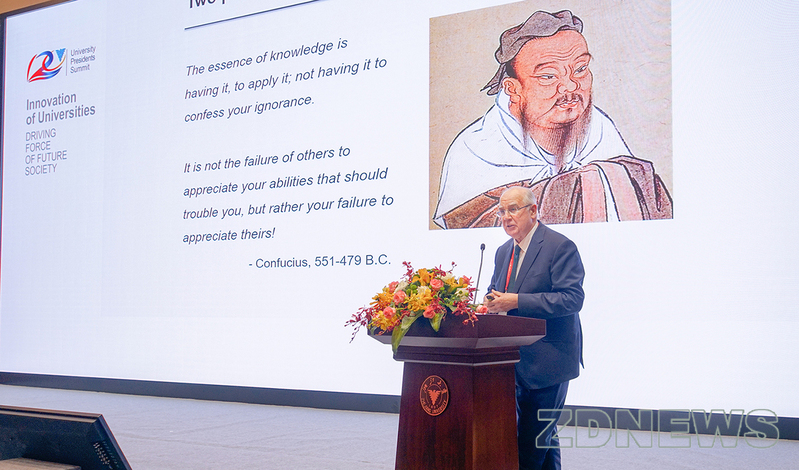
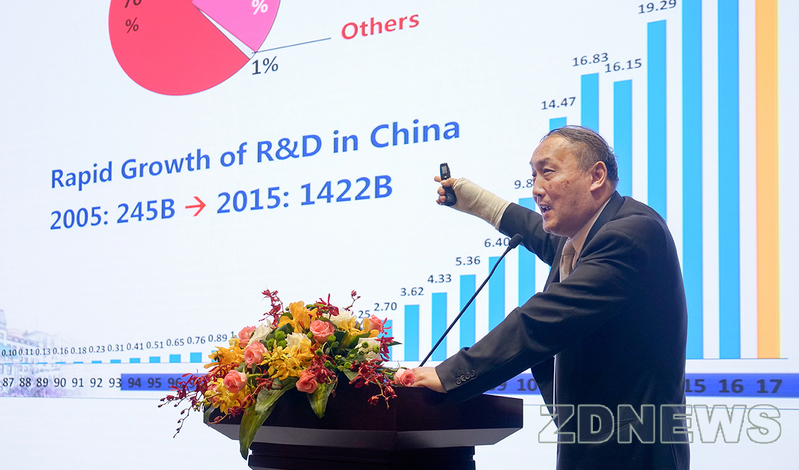
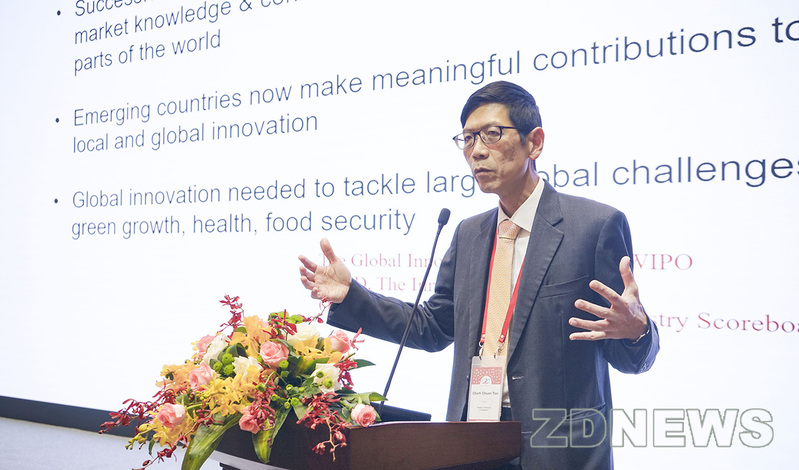
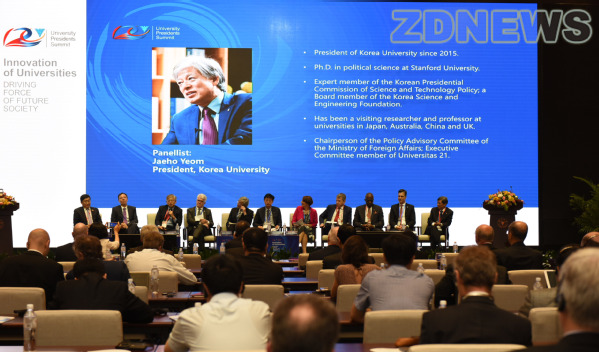
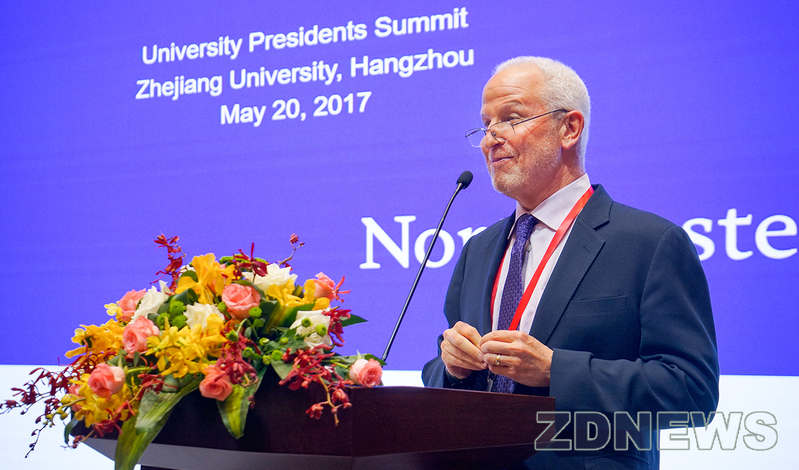
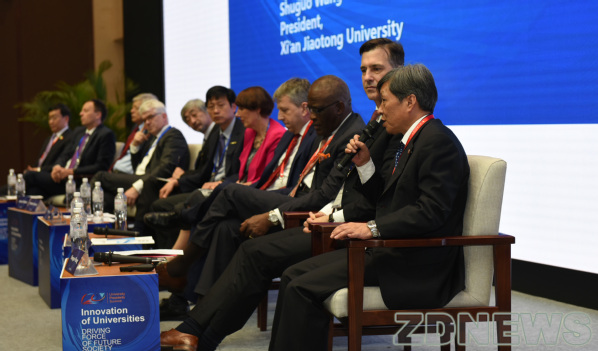
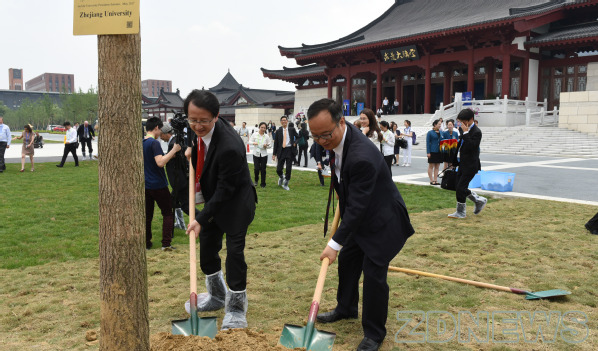
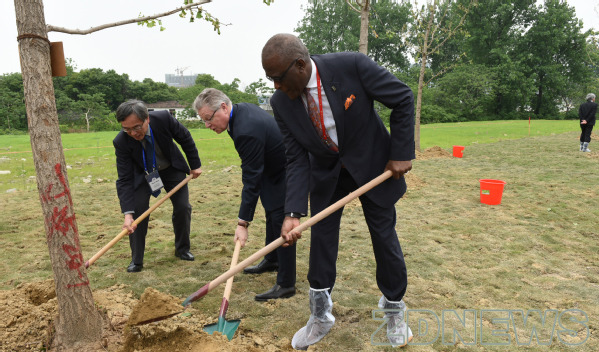
On May 20, the University Presidents Summit was held at Zhejiang University. Nearly 100 presidents and representatives from roughly 40 top universities from across the globe, including the University of Chicago, Peking University, Northwestern University, the National University of Singapore and the University of Hong Kong, gathered to share ideas with each other on universities and society, innovation and the future.
“Opening and innovation have become a shared prospect for mankind. Innovation is altering the world and the paradigm of innovation is also changing. In the future ecological system for innovation, research-intensive universities will become the hub of innovation offering core incentives for comprehensive innovation. We are committed to building an open ecological system and promoting the capacity and competitiveness of the entire innovation system by optimizing the structure and activating the power. We will optimize the interactive fusion of ‘disciplines, talents and scientific research’, construct an interconnected ecological network, accumulate various kinds of innovation and entrepreneurship resources, fuel the vigor and creativity of any innovative entity and create an innovation center. We look forward to collaborating with global research universities to create distinctive ecological systems for innovation and integrate innovation networks all over the world, thus making more contributions to global innovation partnerships and the human civilization,” said Wu Zhaohui, President of Zhejiang University.
Song Yonghua, Executive Vice President of Zhejiang University, said: “In the age of globalization, eastern and western universities face many common challenges and opportunities, such as innovation, education and talent cultivation. We hope we can learn from each other to ensure universities will be the driving force of the future society.”
Robert Zimmer, President of the University of Chicago, pointed out: “Innovation means doing new things. While doing research, researchers should see a different result from a common thing. Teachers should set a good example for students: how to ask questions, how to challenge yourselves and how to address problems in a different way, etc. The development pattern of a particular university may not apply to other universities, so it is of supreme importance to cooperation with each other.”
Lin Jianhua, President of Peking University, said: “The purpose of educational reform is to improve the quality of education as soon as possible. Universities should be clear about the aims of comprehensive educational reform and straighten out their mission.”
Sir Alan Langlands, Vice-Chancellor of the University of Leeds, stressed that universities should create knowledge by research and disseminate knowledge by education. Meanwhile, we should collaborate with others for the sake of public welfares. We should connect with different nations and employ emerging technologies. We can also cooperate with each other to address challenges in terms of policy and administration.
Tan Chorh Chuan, President of the National University of Singapore, pointed out: “The most important output of a university is essentially talents. Universities should integrate research, teaching and application. In terms of research, we can get connected with the national ecological system. If we can create a global innovation community, research-oriented universities will be able to shape the future and inspire youngsters into creating the future together.”
This summit provided a fascinating platform for idea sharing and cooperation. David Gann, Vice President of Imperial College London, said, “This is a wonderful opportunity for us to talk about how to define innovation, how to conduct innovation and how to carry out cooperation projects.”