Dialogue@ZJU with Prof. ZHANG Weiwen, Vice Dean of the School of Public Affairs


[Messages from the editor: Urbanization of migrant workers in China has been discussed extensively. These workers take up the largest proportion of passengers during the holiday. During the outbreak of COVID-19, those who returned to their hometowns before the Spring Festival and those who will return to work may well become the victims of the epidemic.
Recently Prof. ZHANG accepted interview by www.thepaper.cn and CGTN GlobalBusiness. She shared some insights on this issue and the measures that Zhejiang Province takes to help migrant workers resume work in the cities this after a tough Chinese New Year. Below are some key points we selected and the video from CGTN.]
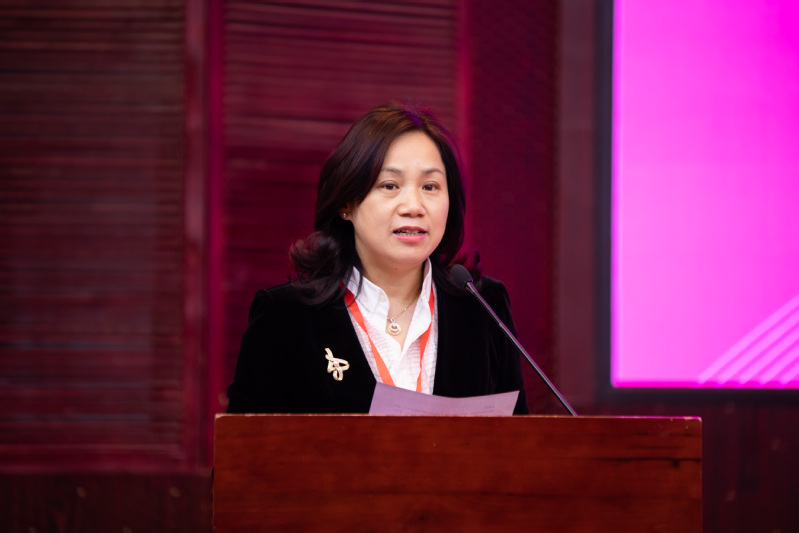
Recently, the National Development and Reform Commission of China proposed that 100 million rural residents should be granted urban residence in 2020. It is not only one of the major goals in terms of new urbanization but also a starting point to crack one of the China conundrums—the Spring Festival travel rush. The sudden epidemic of the novel coronavirus has further inspired us into doing more critical thinking about the necessity and urgency of boosting the level and quality of urbanization.
At the core of the target of granting 100 million people with urban residency is to improve the quality of rural household registration holders living in urban areas with urban rights as a direction. Specifically speaking, it includes three aspects as follows: the right to enter the city, the right to live in the city and the right to walk towards the future city.
- The right to enter the city, which can be broken down into several major levels, such as employment and housing, aims to guarantee an individual’s right to survive in the city. In this sense, apart from providing employment opportunities for new urban immigrants, it is also essential to reserve a certain amount of living space. Even if this living space is far from satisfactory in the short term, it is at least affordable.
- The right to live in the city means providing individuals with a strong guarantee for their living in the city in terms of public services and basic social security, including public transportation, public security, health care, basic education, culture and sports, and elderly care services.
- The right to walk towards the future city involves granting urban residency to rural people who have moved to cities in a high-quality manner. It entails not only the shift in identity from a rural resident to an urban citizen but also changes or development in concept, awareness, quality and behavior. A high-quality city is comprised of high-quality citizens. Conversely, only high-quality citizens can create a high-quality city. The city and its citizens thrive together from mutual transformation, which is the law of urban development.
source:CGTN