Expectancy violation in virtual environments causes headaches, nausea and uncanny feelings


Researchers at Zhejiang University found that rapid graphic updates in video games can cause players to experience headaches, dizziness, and unsettling feelings akin to the Uncanny Valley Effect. This finding was first noticed when DOTA 2 players complained of these negative effects while playing in a rotated version of the DOTA 2 map during a temporary fun mode called Mutation Mode. The phenomenon is not exclusive to video games but can also occur with other user interfaces. Studies conducted in Dr. CAO Liyu's lab revealed that players often describe these updated environments as "uncanny" and "dreamlike," which can lead to discomfort, vertigo, and migraines. The findings have been published in the journal Computers in Human Behavior Reports.
The researchers focused on two videogame genres. The first was DOTA 2 which is a Multiplayer Online Battle Arena (MOBA) similar to League of Legends while the other was CS:GO a First Person Shooter (FPS).
In their first study, the Zhejiang University researchers collected data from public forums where players from both videogames encountered environments that were visually transformed (either mirrored at the y-axis or rotated 180 degrees). They found that users complained about visual discomfort, headaches, vertigo and they characterized the videogame environments as uncanny, weird and surreal. These data were collected from three different languages (Chinese, Russian & English) and the player comments were similar in all three.
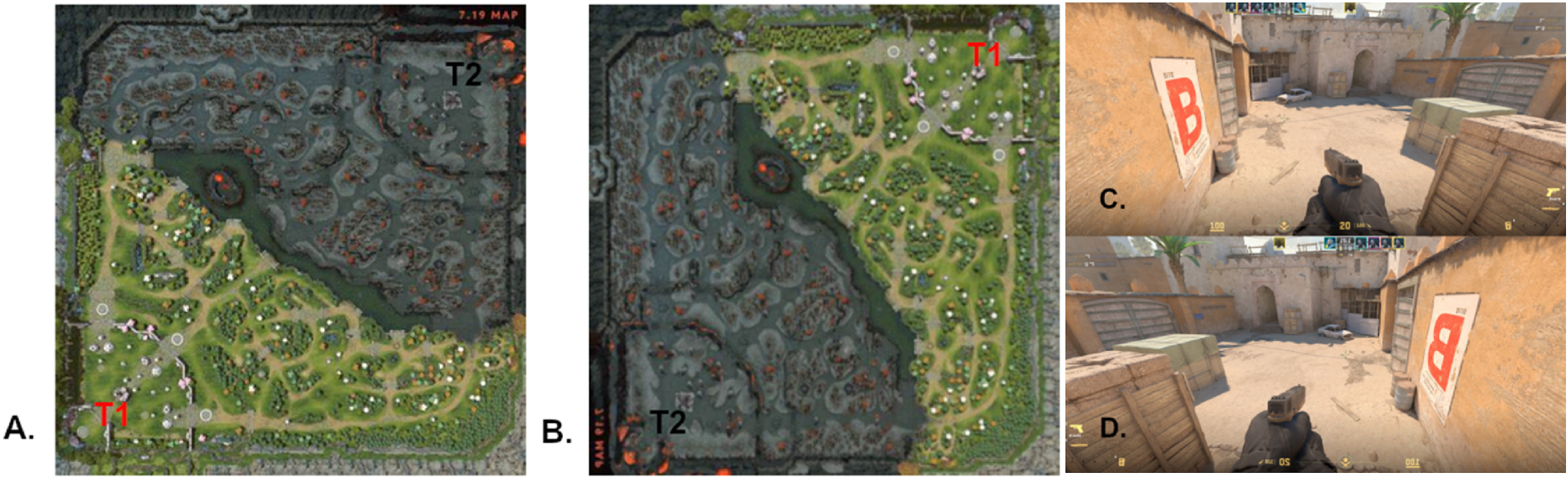
Figure 1: An example of two normal and two visually transformed environments. The first is the DOTA 2 video game map from above and the second is a video game environments from the FPS CS:GO 2. All images are property of Valve Corporation.
The researchers conducted a literature review and found that individuals wearing prism glasses, which mirror or reverse real environments, report similar feelings in psychological studies. In parallel, a more modern version of this occurs when individuals remove VR headsets after prolonged use, as they readapt to their real environment.
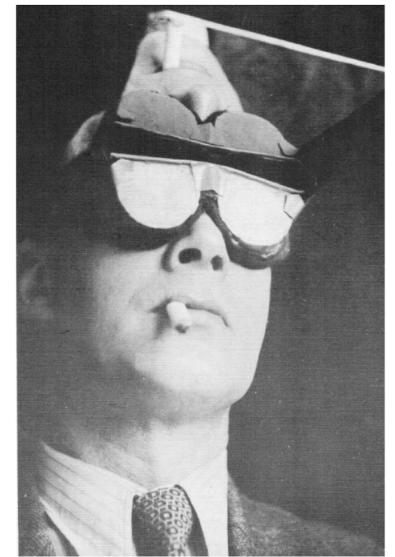
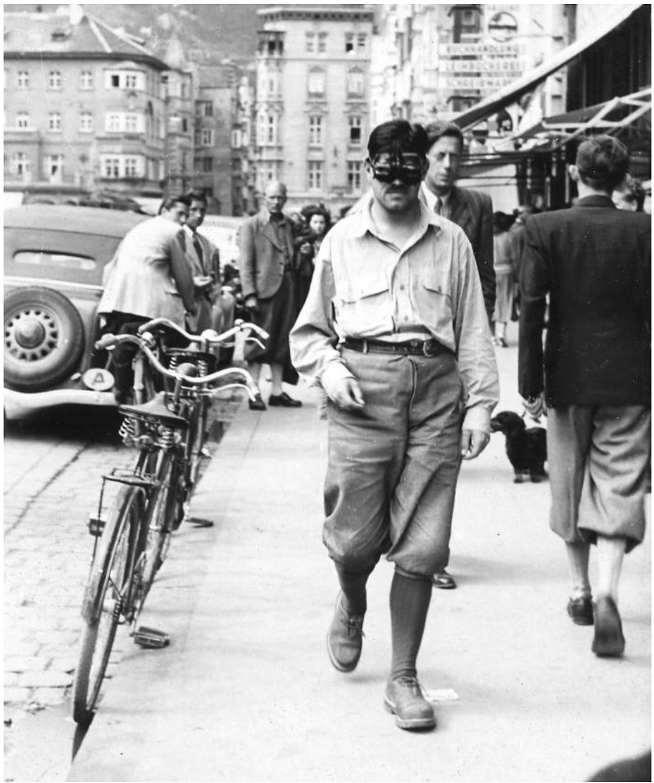
Figure 2: Prismatic glasses have been used to change the perception of real environments from right to left and top to bottom. Individuals that have worn these glasses have reported similar effects to those who played in virtual video game environments. From Archive, Institute of Psychology, University of Innsbruck.
In their second study, the researchers collected a big dataset from DOTA 2 when the videogame environment was rotated by 180 degrees as part of a fun event called Mutation Mode. They found that users from all teams reported the same feelings of uneasiness, discomfort and dizziness similar to Study 1 almost immediately when they saw the changed mirrored environment. Because the comments were timestamped, the researchers confirmed that the effect is near instantaneous and that it occurred simultaneously for all players.
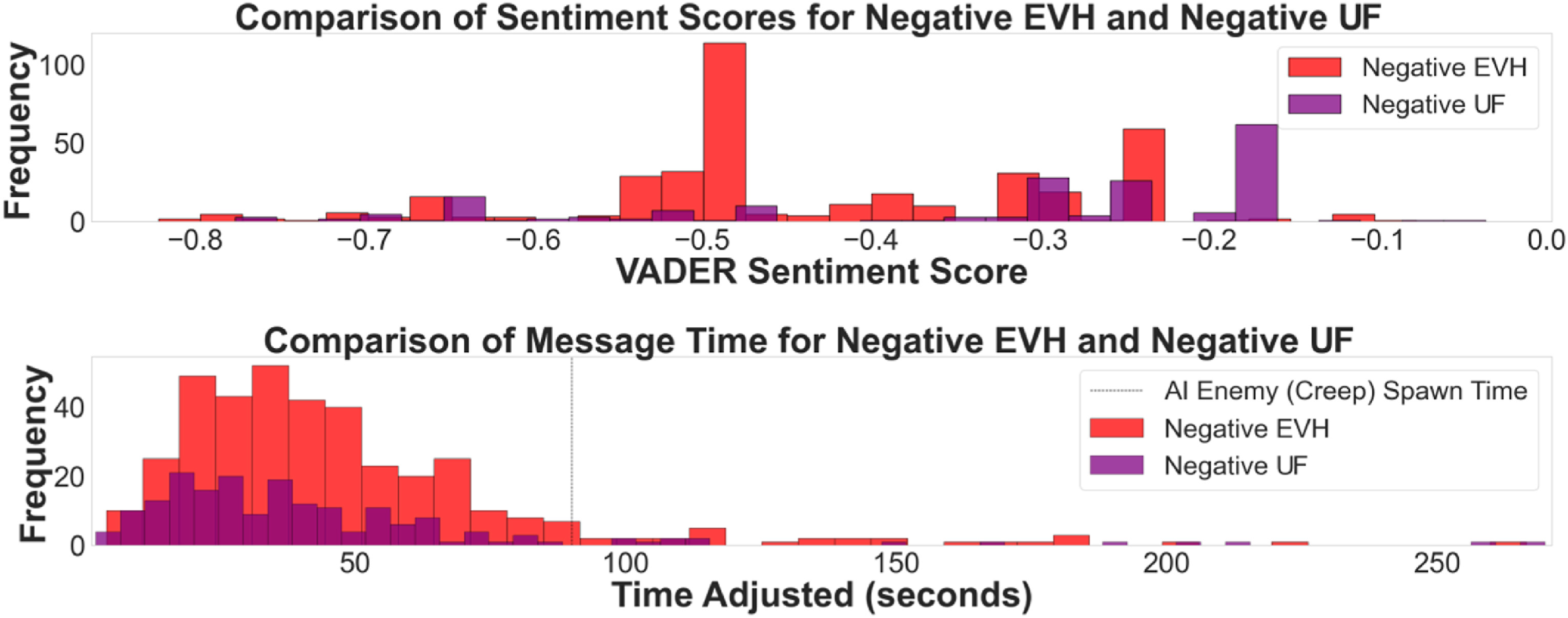
Figure 3: Players from both teams reported negative feelings almost instantly after each match started.
In their third study, the researchers recruited experienced video game players, who had played on average 2300 hours of DOTA 2. They had them watch two videos: a rotated one and a normal one. The participants reported dizziness, headaches, discomfort and uneasiness only for the rotated version.
In their fourth study, the Zhejiang University researchers replicated their previous findings using a different visual transformation and a different video game, CS:GO. Mirrored CS:GO environments created discomfort to the participants and they were characterized as more uncanny compared to the normal ones.
Dr. Kokkinakis, the first author of the paper who is supervised by Dr. Cao, said, "Our study highlights the importance of careful modifications in virtual environments to avoid unintended user discomfort. Our research provides strong support for the notion that the Uncanny Valley Effect extends beyond just human faces that look distorted, but also to other objects of expertise that deviate from normality. In this case, our experts had adapted to video game environments. We show that these feelings are not necessarily negative, as most of the literature suggests, with some individuals appearing to enjoy this experience. We also bring forth a possible new way of inducing headaches in the fMRI scanner, since other methods can be unreliable or costly."
References
Kokkinakis, A. V., Ming, X., Han, N. T., & Cao, L. (2025). Expectancy violation in virtual environments causes headaches, nausea and uncanny feelings. Computers in Human Behavior Reports, 17, 100601.
Source: The research team led by Dr. CAO Liyu