ZJU researcher WANG Hangzhou completes sixth polar expedition with self-developed bio-optical module


WANG Hangzhou, an associate professor at the Ocean College of Zhejiang University (ZJU), recently returned from China's 42nd Antarctic expedition. During the mission, a bio-optical module developed by WANG successfully operated under the Antarctic ice for over 11 months, capturing crucial in-situ data on Southern Ocean plankton.
The 160-day expedition, covering more than 34,000 nautical miles aboard the polar icebreaker Xuelong, served as a rigorous testing ground for domestic polar equipment. Serving as the field leader, WANG oversaw the recovery and deployment of ecological moorings in the Amundsen Sea and Ross Sea. His bio-optical module, a key component of a national research project led by the Polar Research Institute of China, collected a vast amount of plankton imagery, providing essential scientific evidence for polar ecological conservation and resource assessment.
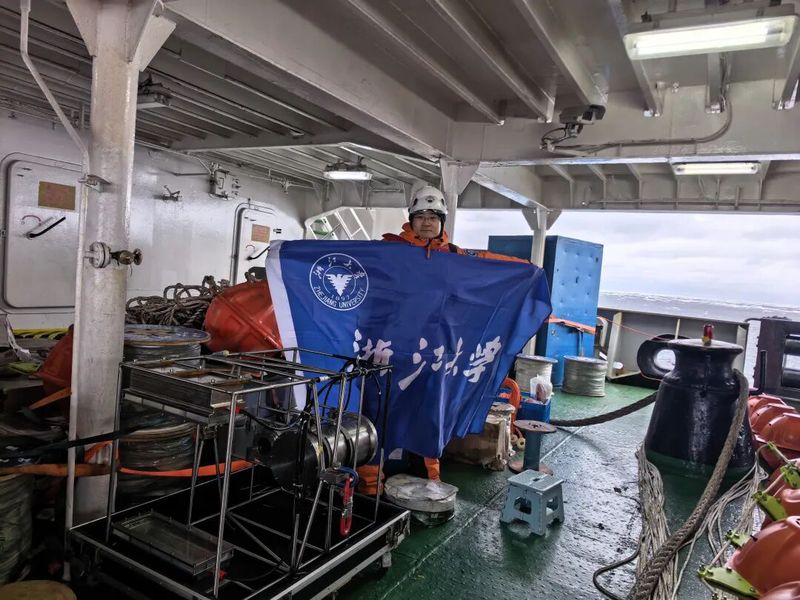
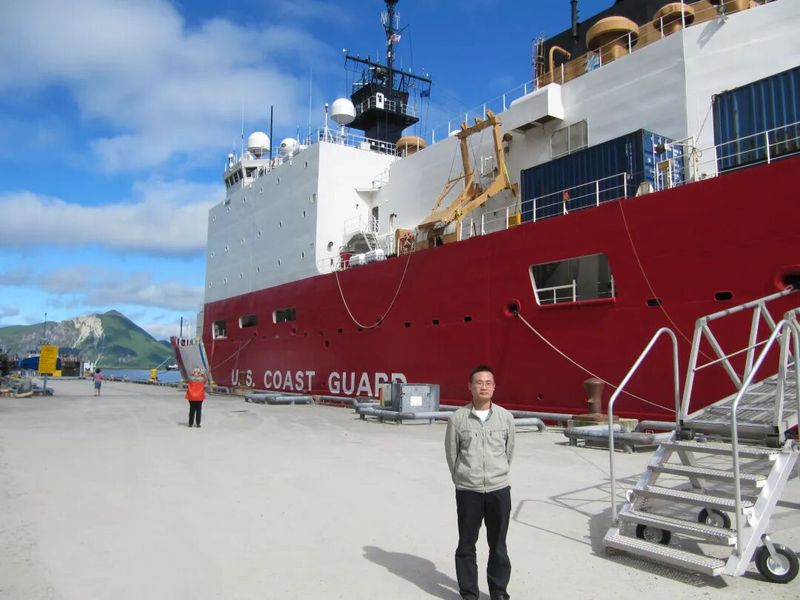
This expedition marked WANG's sixth polar journey, culminating a 13-year research endeavor that includes four trips to the Arctic and two to the Antarctic. WANG's connection with polar research began in 2012 during his doctoral studies in mechanical electronic engineering at ZJU, when he conducted joint research at the Woods Hole Oceanographic Institution in the United States. In July 2013, he embarked on his first Arctic expedition aboard the US icebreaker Healy.
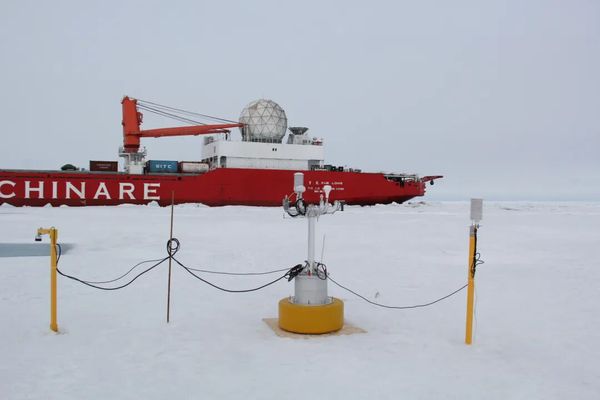
In 2018, during China's ninth Arctic expedition, WANG deployed a self-developed in-ice multi-layer solar radiation observation system in the Bering Sea, Chukchi Sea, and central Arctic Ocean. This deployment marked the first time such observations were conducted in China's polar research history, filling a critical gap in long-term in-situ data.
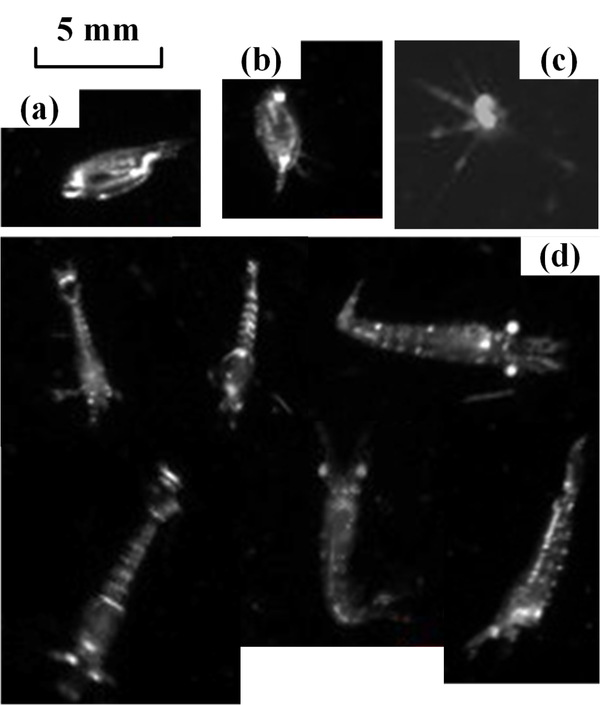
Polar expeditions are fraught with challenges, including freezing temperatures, shifting sea ice, and limited operational windows. To overcome these obstacles, WANG and his team spent nearly three years developing the bio-optical module. Utilizing dark-field illumination and near-centric imaging, the device can capture clear, high-resolution images of tiny organisms—such as gammarids, copepods, and krill larger than five millimeters—in the dark, high-pressure, and freezing deep sea.
"The more times I visit the polar regions, the more I realize how limited our understanding of the ocean is," WANG said. "This awareness is precisely what drives us forward."
Looking ahead, WANG aims to deepen cooperation between ZJU and the Polar Research Institute of China. He plans to focus on the independent development of polar and marine equipment while encouraging more young researchers to participate in polar science through integrated research and education programs.
Adapted and translated from the article written by DAI Yishuang
Translator: JIANG Chenqi ('27, Structural Engineering)
Photo: WANG Hangzhou
Editor: JIANG Chenqi, DING Chenwei