The Main Library of Zhejiang University unveils its spaces


As the newly built and opened library of Zhejiang University, the Main Library of Zhejiang University integrates a variety of technical equipment and digital resources to create diversified spaces such as exhibition halls, single study rooms, multi-person seminar rooms, media workshops, training and exchange spaces, etc., providing readers withdiverse spaces for individual study, group collaboration, information consultation, cultural exhibitions, etc.
What are the characteristics of these novel library spaces and how do they differ from ordinary library study spaces? Let's walk into the Main Library and find it out!
Exhibition hall (first floor)
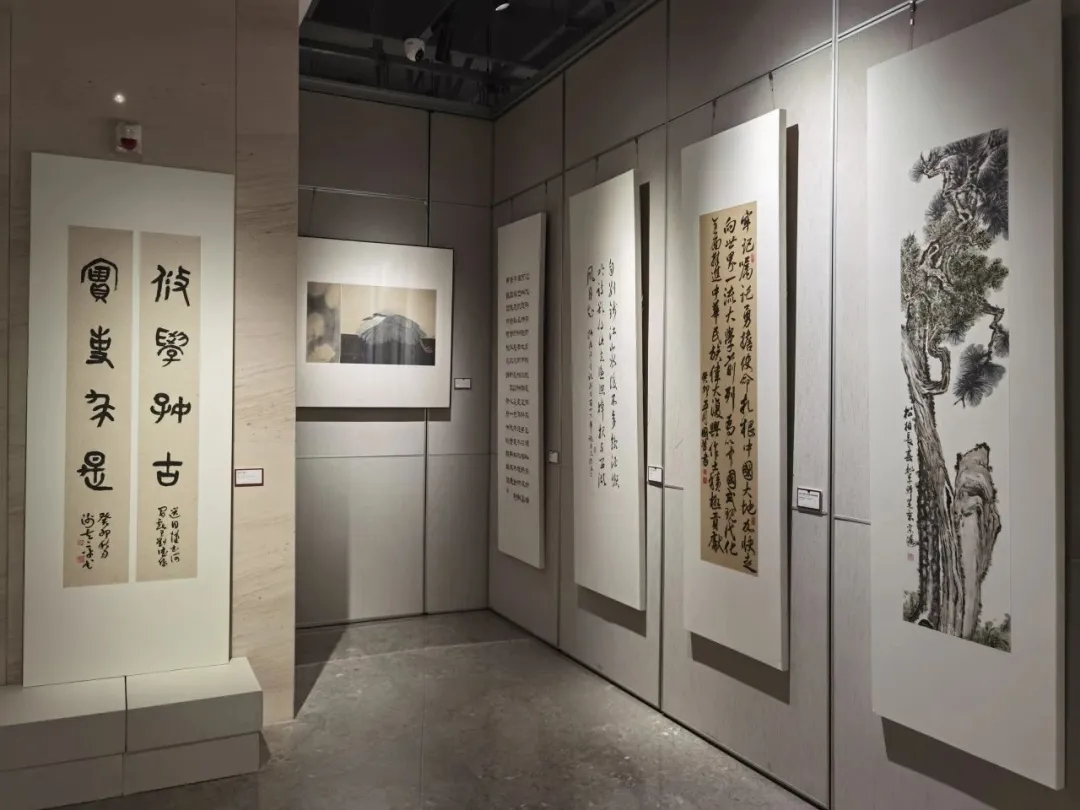
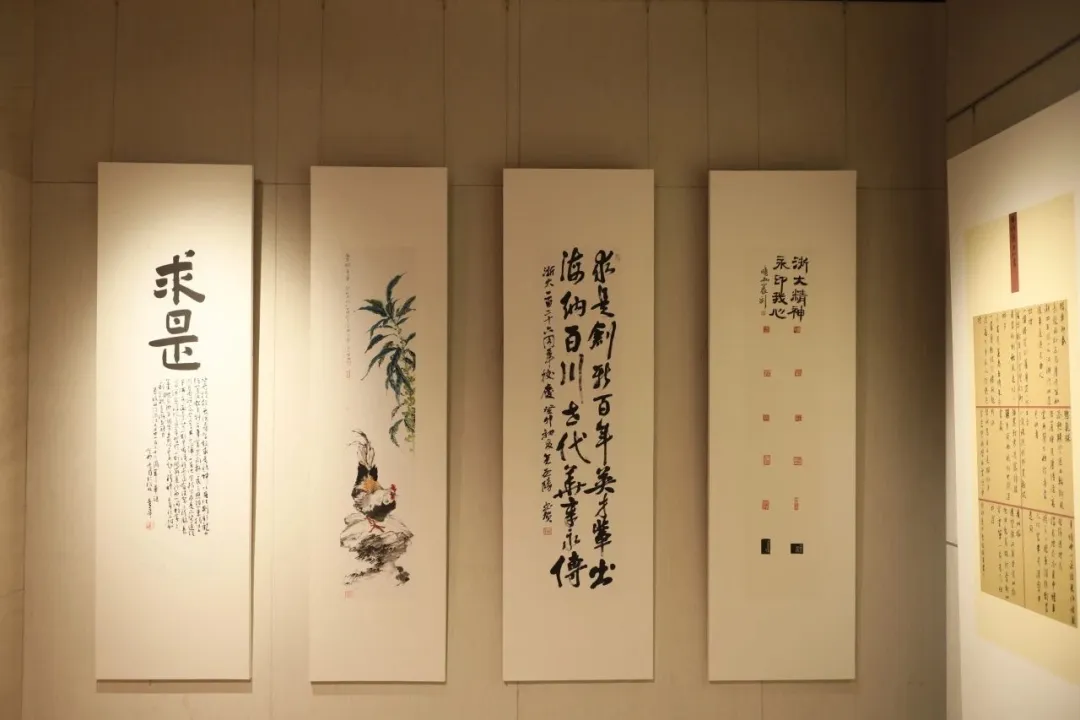
The exhibition hall on the first floor of the Main Library is uniquely designed, skillfully blending traditional and modern elements. With soft lighting and natural lines of movement, the whole hall is full of artistic flavor and a sense of history, inviting people to linger. Currently, the exhibition hall is displaying an exhibition named “ZJU Spirit is always imprinted on my heart”, featuring works by teachers and students in ZJU. The exhibition showcases 79 pieces of calligraphy works, 26 Chinese paintings and 5 seal carvings, demonstrating the keen talent of ZJU people in culture and art, and highlighting their enterprising spirit and pursuit of excellence.
All-day study space (second floor)
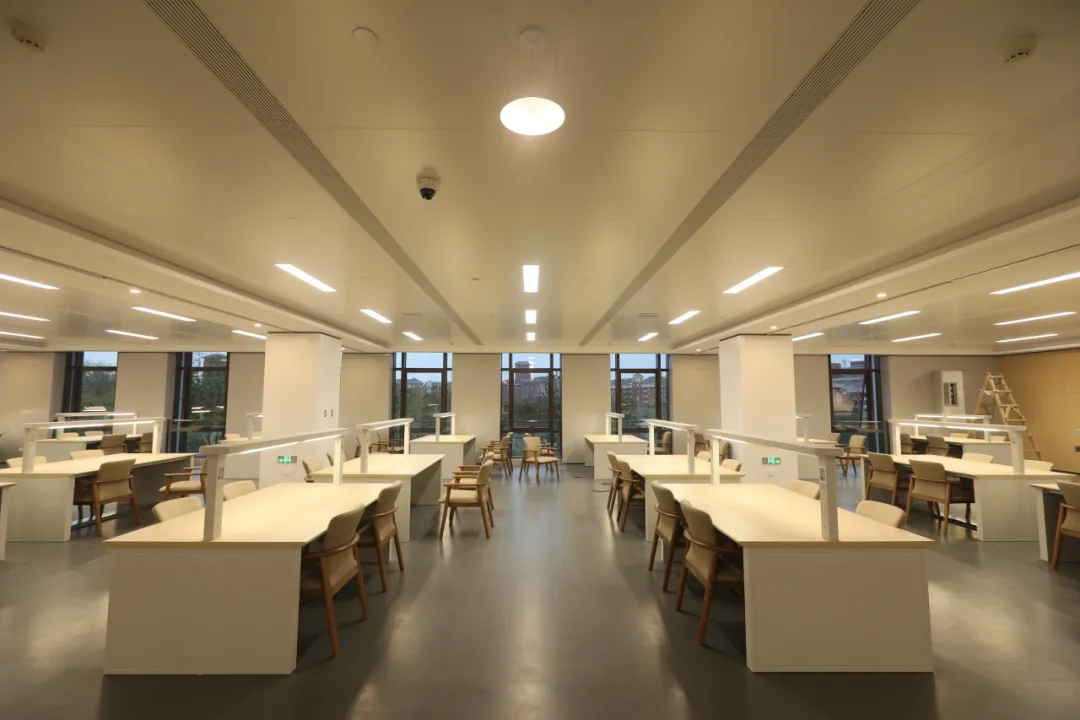
The all-day study space on the second floor supports 24-hour uninterrupted study. The space contains three different facilities: intelligent reading tables, four-person sofa seats and lazy sofas. The Smart Reading Table provides a powerful aid for teachers and students to study and research, while the four-person sofa booths and lazy sofas offer a cozy environment for rest. The 24-hour study space allows everyone who loves knowledge to find their own rhythm.
Single study rooms and multi-person seminar rooms (3rd, 4th and 5th floors)
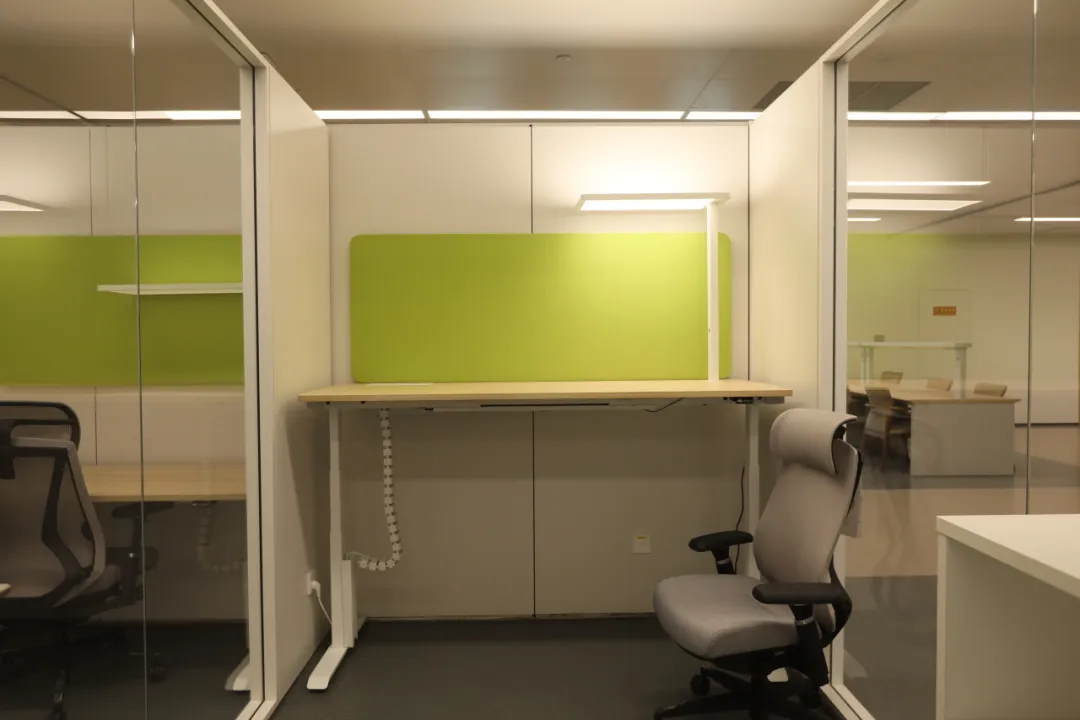
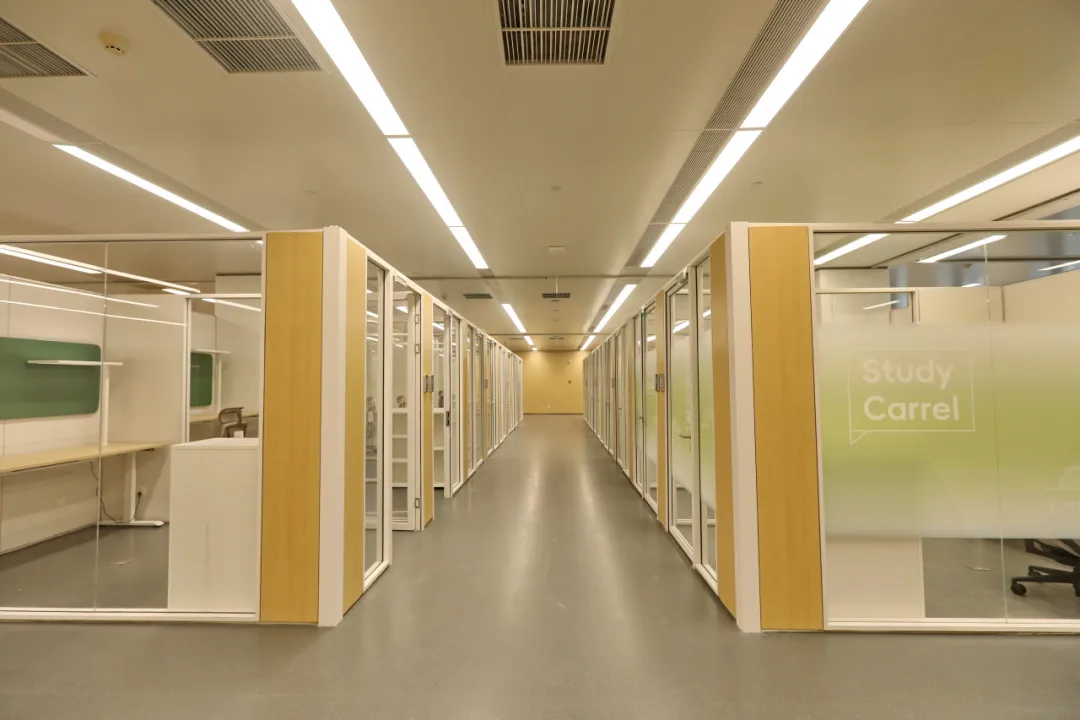
The single study rooms are located on the fifth floor of the main building, with a total of 32 rooms on the east and west sides. Each room is equipped with ergonomic chairs, elevated tables, large desk lamps, and lockers. Here, individuals can delve deeper into their studies, write papers, or explore academic mysteries.
The Multi-Person Seminar Rooms are located on the third and fourth floors, offering 34 8-person seminar rooms and 4 14-person seminar rooms. Equipped with various types of tables and chairs, 31 rooms are also equipped with projection screens and data transmission equipment, allowing readers to engage in information sharing, real-time discussions and collaborative editing.
Media workshop (fifth floor)
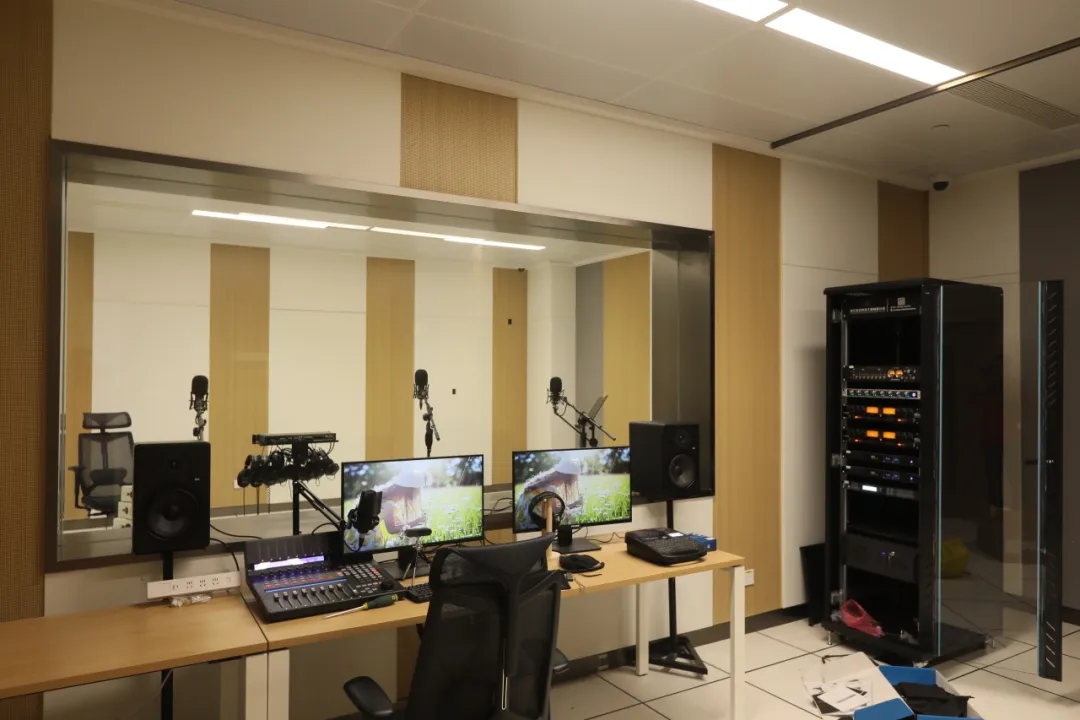
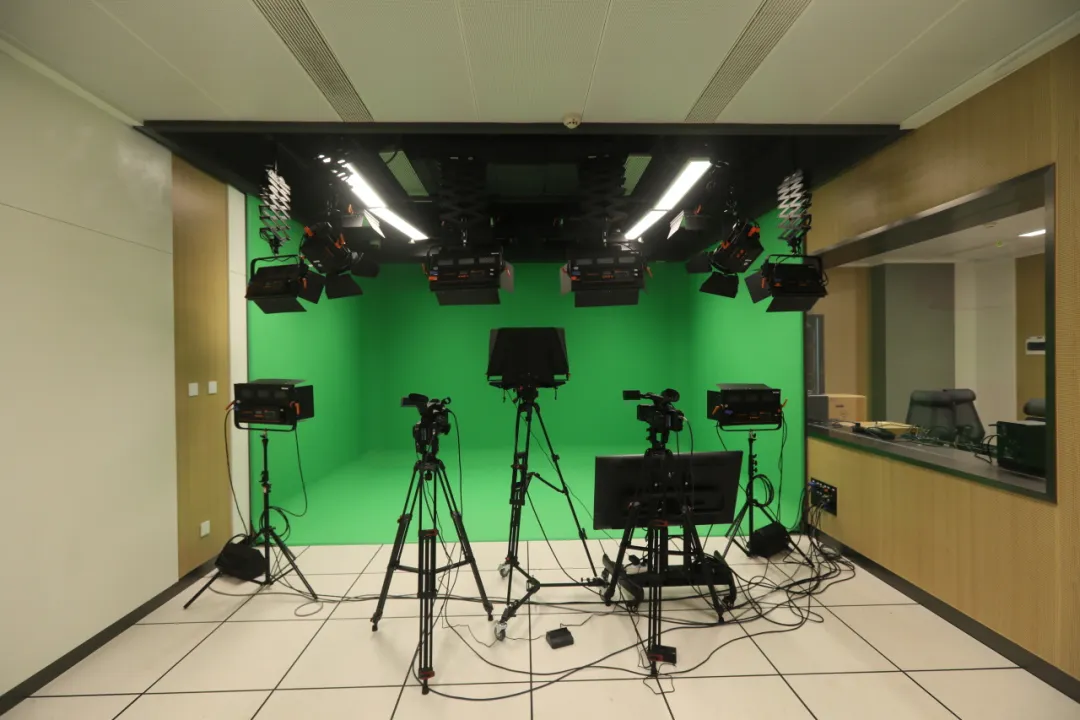
The Media Workshop on the fifth floor of the Main Library contains three independent studios: Telestudio, Recording Studio, and Multifunctional Photography Studio. The Telestudio is equipped with broadcast-grade audio-visual guide and control machine, a professional green screeen, and a camara, providing a profissional film and television production environment. The Recording Studio features audio workstations, professional microphones and recording software, offering ideal conditions for music recording. The Multifunctional Photography Studio caters to photography enthusiasts with its dark sound-absorbing curtains, photography stands, and accompanying equipment.
Specialty space (third and fourth floor)
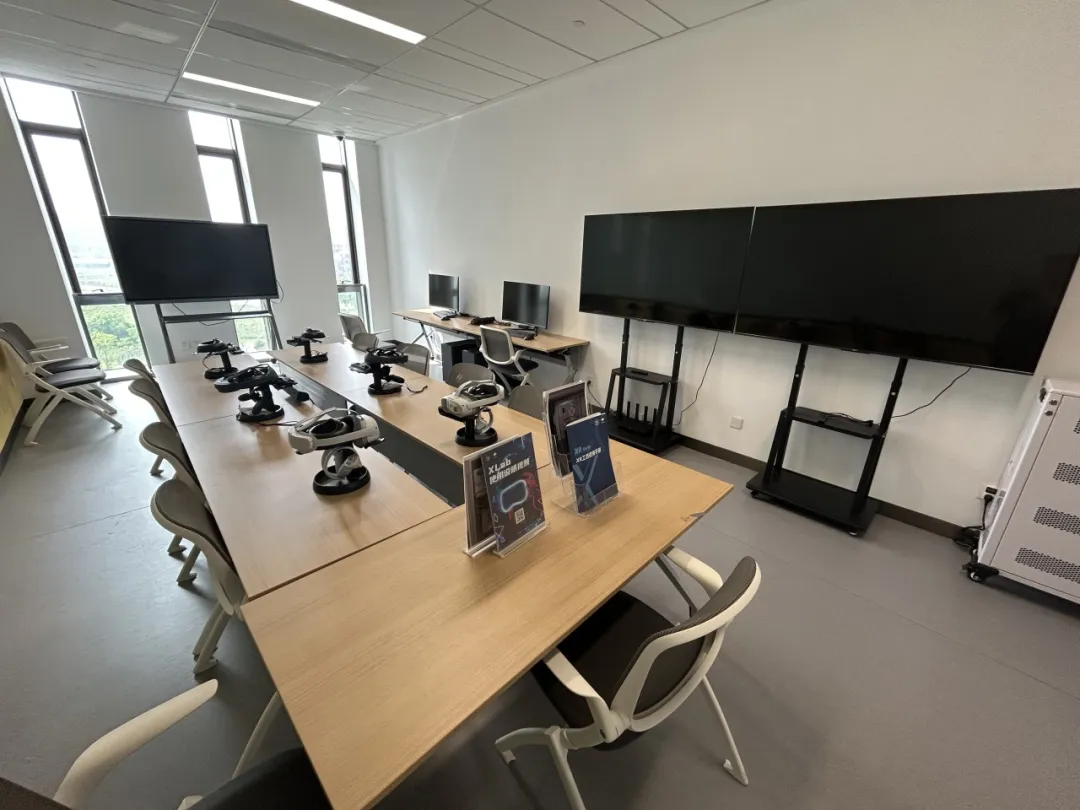
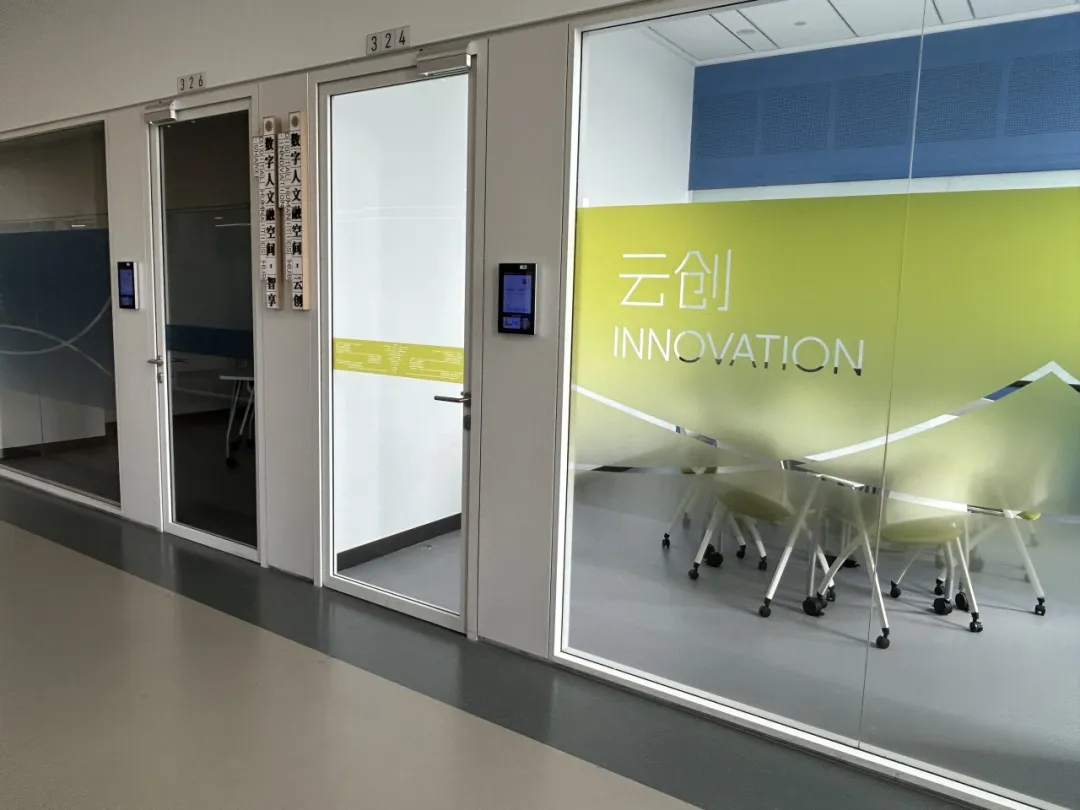
Between the third and fourth floors, there are several featured spaces: 3 digital humanities integration spaces, building a bridge for dialogue between tradition and modernity; 4 i-Lab spaces, catering to various functions such as learning, seminars, and socializing. In addition, five X-Lab spaces will soon open soon to accommodate a variety of scientific and technological information elements, promoting innovative development among students.
Silent cabin (2nd to 6th floors)
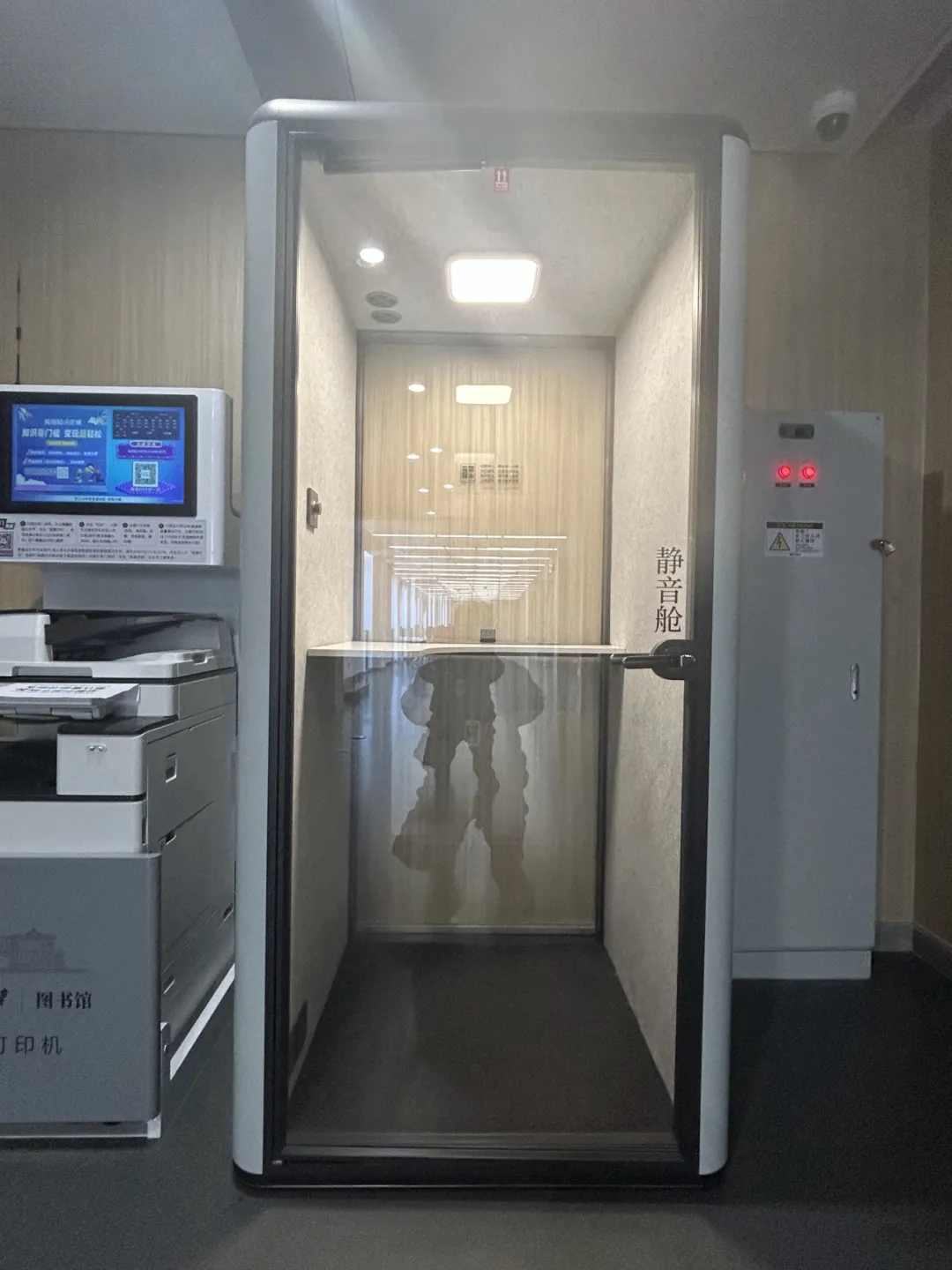
There are 14 silent cabins on the second to sixth floors of the Main Building, providing private and quiet spaces for temporary phone calls, video interviews, and other activities for teachers and students.
Adapted and translated from the article written by TANG Jiakeng
Translator: ZHAO Hanle(’24, Education)
Photo: TANG Jiakeng
Editor: HAN Xiao(’25 PhD, Education), TIAN Minjie